New Zealand Bat training
The original dedicated NZ bat ecology trainers.
As trailblazers in bat ecology training in Aotearoa, we have carried out over 25 focused High Risk training courses for ecologists, with over 150 ecologists trained from a variety of organisations. We also provide extensive training in capture-mark-recapture and radio-tracking through our conservation projects Finding Franklin Bats and Kakahu Pekapeka. Our courses have been refined over a decade of industry work as the Field Lead and trainer for the Eglinton long-tailed bat project, as the Specialist Bat Ecologist for several large infrastructure projects in both Aotearoa and Europe, and through extensive development of dedicated training courses to expand bat ecology in Aotearoa.
We combine industry knowledge, field skills, technological insight, international experience and teaching expertise to produce Aotearoa's most popular bat training courses.
We offer a range of courses to suit your bat training needs, including 2 day High Risk training courses, bat ecology courses for arborists, and full capture-mark-recapture training. All courses are designed by DOC approved trainer and active bat competency framework contributor Mike Jones, with course syllabi being submitted to the Bat Recovery Group for approval.
Take a look below!
• High-Risk Activities Course
The first of its kind in NZ, with a constantly updating and DOC approved syllabus. Developed and refined over half a decade, this training includes ‘High Risk’ activities under the Department of Conservation’s Bat Handling Competencies Authorisation scheme, including:
- Assessing potential roost tree use using Acoustic Bat Monitors (Competency 3.1) and assessing site-specific bat presence/absence using Acoustic Bat Monitors.
- Vegetation risk assessment for potential bat habitat (Competency 3.3)
- Assessing potential roost tree use using endoscopes for pre-felling surveys with arborists and post-felling checks.
- Background to bat ecology, desktop methods and data management to support work related to the above competencies.
Suitable for ecologists looking to start their journey in the bat world and anyone likely to carry out work that requires acoustic bat surveys and/or felling of potential roost trees.
We have provided this training to a wide range of clients, including SLR, WSP, T+T, RMA Ecology, HabitatNZ, Viridis, BioResearches, BioSense and many more.
Trainees also gain access to the Tou-Roa Bat Cave, our collaborative online repository full of roost examples, useful documents, thermal footage of bat emergence, data management templates and much more.
***This course also provides valuable insights, training and recommendations for equipment and software for acoustic and tree felling bat ecology.***
Note: DOC Bat Competencies 3.1 and 3.3 require 10+ real-world examples to achieve competency.
• Bat ecology for arborists
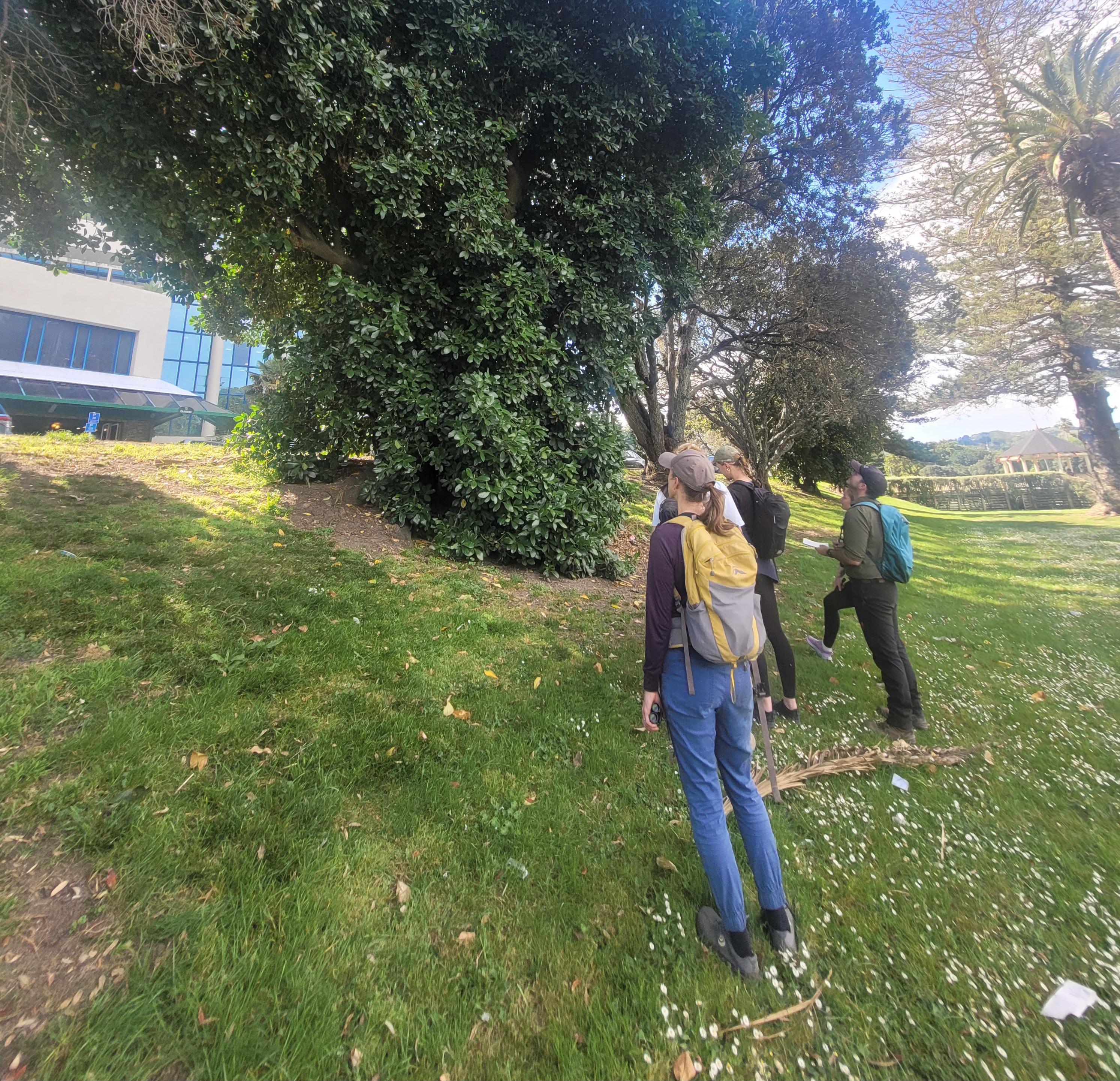
Designed to provide arborists with skills in assessing potential roost features for bat presence, this course prepares arborists for undertaking tree inspections with ground-based ecologists.
Refined through industry practice in both NZ and the UK, this course provides skills in a range of practices, including:
- Vegetation risk assessment for potential bat habitat (Competency 3.3)
- Assessing potential roost tree use using endoscopes for pre-felling surveys.
- Habitat de-risking methods for potential roost features developed by Mike Jones during industry practice.
- Background to bat ecology, industry alignment with ecologists and understanding the DOC tree felling process.
Suitable for arborists looking to carry out tree inspections for felling.
Trainees also gain access to the Tou-Roa Bat Cave, our collaborative online repository full of roost examples, useful documents, thermal footage of bat emergence, data management templates and much more.
***This course also aims to align ecology and arboriculture terminology to make collaboration easier***
Note: DOC Bat Competency 3.3 requires 10+ real-world examples to achieve competency.
• Bat capture and Radio-Tracking Course
A first of its kind: public conservation funded by private training.
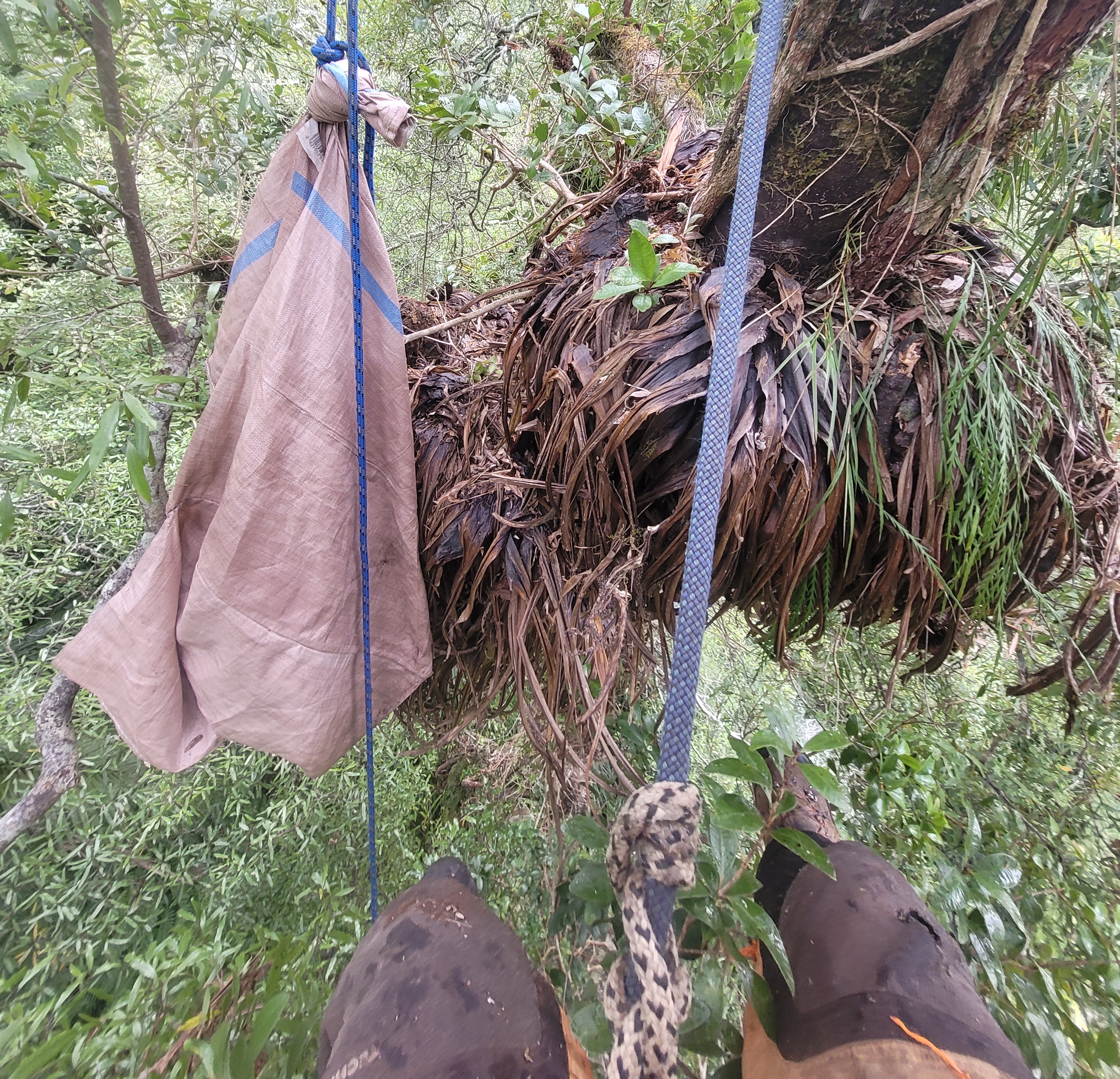
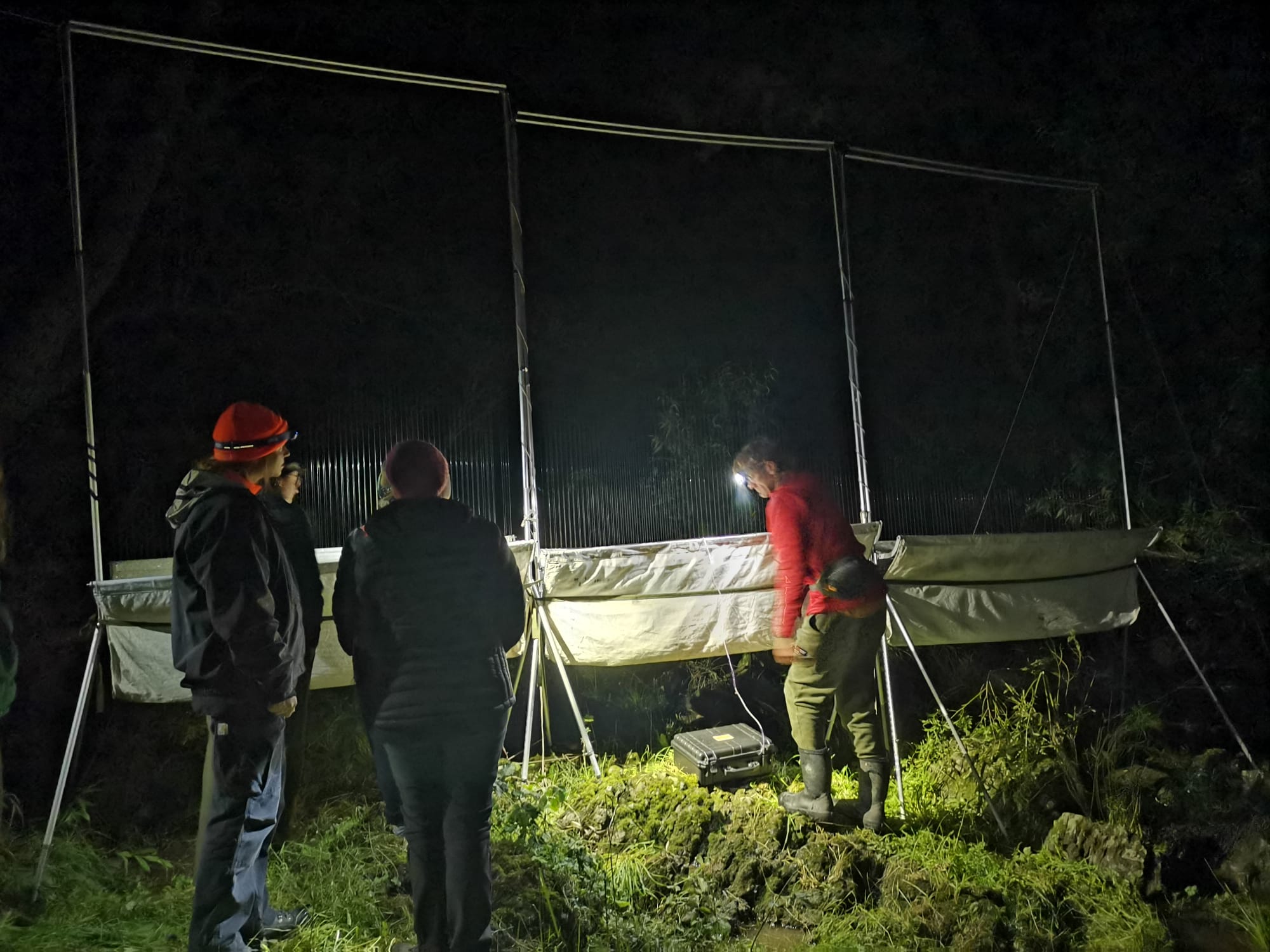
This training course focuses on capture-mark-remark radio-tracking surveys for roost identification, habitat use assessment and population monitoring for both conservation techniques and Assessment of Effects and Consenting requirements. Trainees gain experience towards DOC Bat Competencies:
- All High Risk activity competencies (3.1, 3.2 and 3.3)
- Use of free standing harp traps (Competency 1.2, inclusive)
- Use of roost entrance harp traps (Competency 1.3, inclusive)
- Processing of captured bats (Competency 2.1, inclusive)
- Banding of captured bats (Competency 2.2, inclusive)
- Attaching radio transmitters to bats (Competency 2.4, inclusive)
- Some opportunity towards prerequisite 10+ real-world examples for 3.1 Acoustic surveys, 3.2 Roost watches and 3.3 Habitat assessment.
This training is a collaboration with the Department of Conservation Geraldine and happens once a year. It funds long-term population monitoring of the Kakahu and nearby bat populations and development of conservation monitoring techniques.
Suitable for those looking to expand their bat knowledge, get hands-on experience with bats, and learn about techniques and technology for monitoring bats.
Trainees also gain access to the Tou-Roa Bat Cave, our collaborative online repository full of roost examples, useful documents, thermal footage of bat emergence, data management templates and much more.
***This course also provides valuable insights, training and recommendations for equipment and software for acoustic and advanced survey bat ecology.***
Note: Many of these competencies require extensive experience and may not be achieved in one single attendance.

• Build your own griff mini
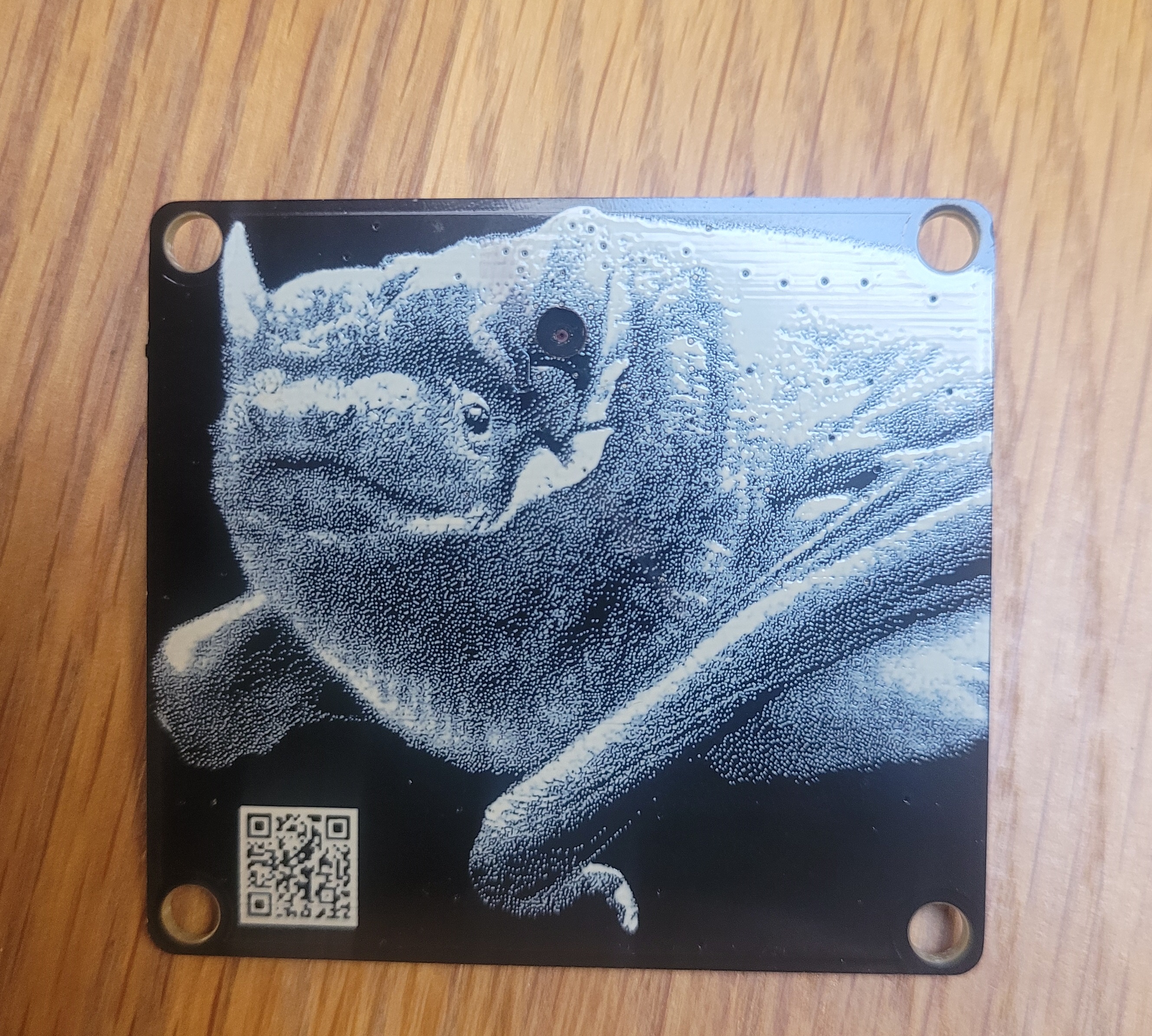
A recent addition to our Aotearoa bat training. In-line with our mission to make bat ecology accessible, we have been constructing and distributing Griff Mini handheld bat detectors to enthusiasts across Aotearoa and the Pacific.
Designed by Phil Atkin, the Griff Mini is a cheap (ca. $30) device that turns your phone or tablet into an active handheld bat detector.
This course aims to help get you set up to build and use your own Griff Minis.
We are also looking to add build-your-own passive bat recorders to this list, so watch this space.
Suitable for enthusiasts and community groups looking to do some citizen science or backyard monitoring.
Trainee Feedback
“Mike has an absolute wealth of knowledge that he shares in a very calm, patient manner (or with vicious wit). He’s fantastic at cultivating a learning environment where everyone feels confident to give things a go.”
“Mike was patient, knowledgeable, and dedicated – often spending hours teaching beginners how to handle bats correctly. His ability to break down complex concepts into manageable steps was invaluable.”
It [sic] has been highly rewarding. Particularly radio tracking. I had the opportunity to put all my radio tracking techniques into practice and it was really really fun and awesome to see how much I had actually learnt."
“[I am] feeling a lot more confident with these skills, in terms of placement, having enough ABMs, what features to target. [I] have picked up bats on some sites. Also have been able to practice identifying roost features for impact assessments.”
“The drive of resources provided on the online portion of the training are very useful. I revisit these resources when undertaking works. I found the hands on approach in which enactment of real-life surveys were used during training very useful. I appreciated having the training in several different landscapes/habitat types to employ our situational awareness and understand what to look for.”
• Contact us to discuss your unique project.

