The original and most-popular bat training in NZ. We combine industry knowledge, field skills, technological insight, international experience and teaching expertise to produce Aotearoa's most refined bat training courses. All courses are designed by DOC approved Trainer and active bat competency framework contributor Mike Jones.
The first of its kind in NZ, with a constantly updating and DOC approved syllabus. Developed and refined over half a decade, this training includes 'High Risk' activities under the Department of Conservation's Bat Handling Competencies Authorisation scheme, including:
Suitable for ecologists looking to start their journey in the bat world and anyone likely to carry out work that requires acoustic bat surveys and/or felling of potential roost trees. Trainees gain access to the Tou-Roa Bat Cave — our collaborative online repository of roost examples, useful documents, thermal footage and data management templates.


Developed by Mike Jones and approved by the Bat Recovery Group, this service offers Trainees who have attended a High Risk Activities course the opportunity to have past acoustic surveys assessed by a Trainer and counted towards the 10+ survey requirements.
This system involves a reflective self-assessment guided by a Trainer to critique the Trainee's previous work through the framework of the High Risk Activities training they received. Limited to a maximum of 3 surveys with detections of bats.
Designed to provide arborists with skills in assessing potential roost features for bat presence, this course prepares arborists for undertaking tree inspections with ground-based ecologists. Refined through industry practice in both NZ and the UK, this course provides skills including:
This course also aims to align ecology and arboriculture terminology to make collaboration easier. Trainees gain access to the Tou-Roa Bat Cave.
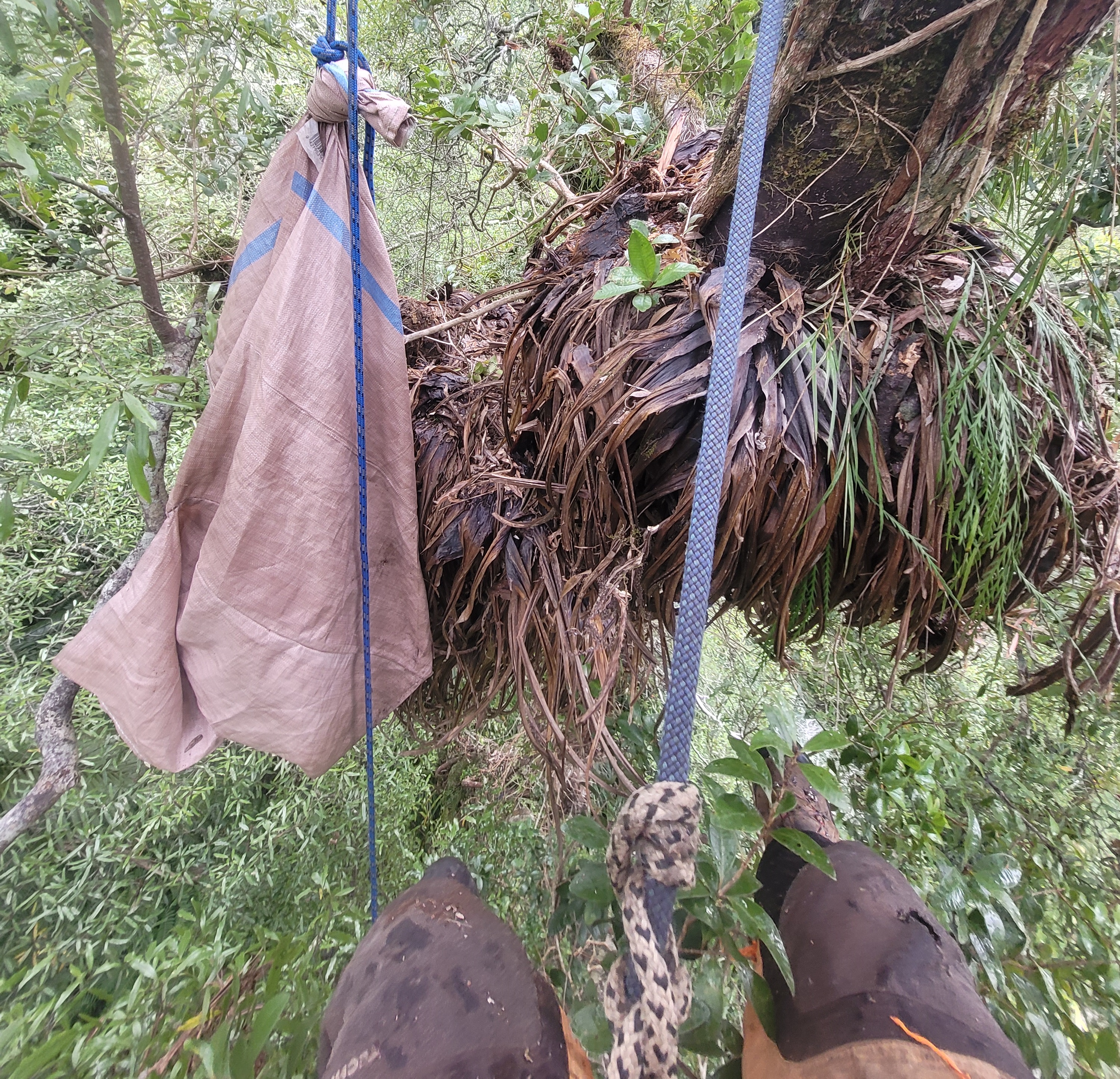

Designed to provide Trainees who have attended a High Risk course with more on-the-job skills and experience. Trainees undertake tree felling jobs under the supervision of a Trainer experienced in application of the protocols, including:
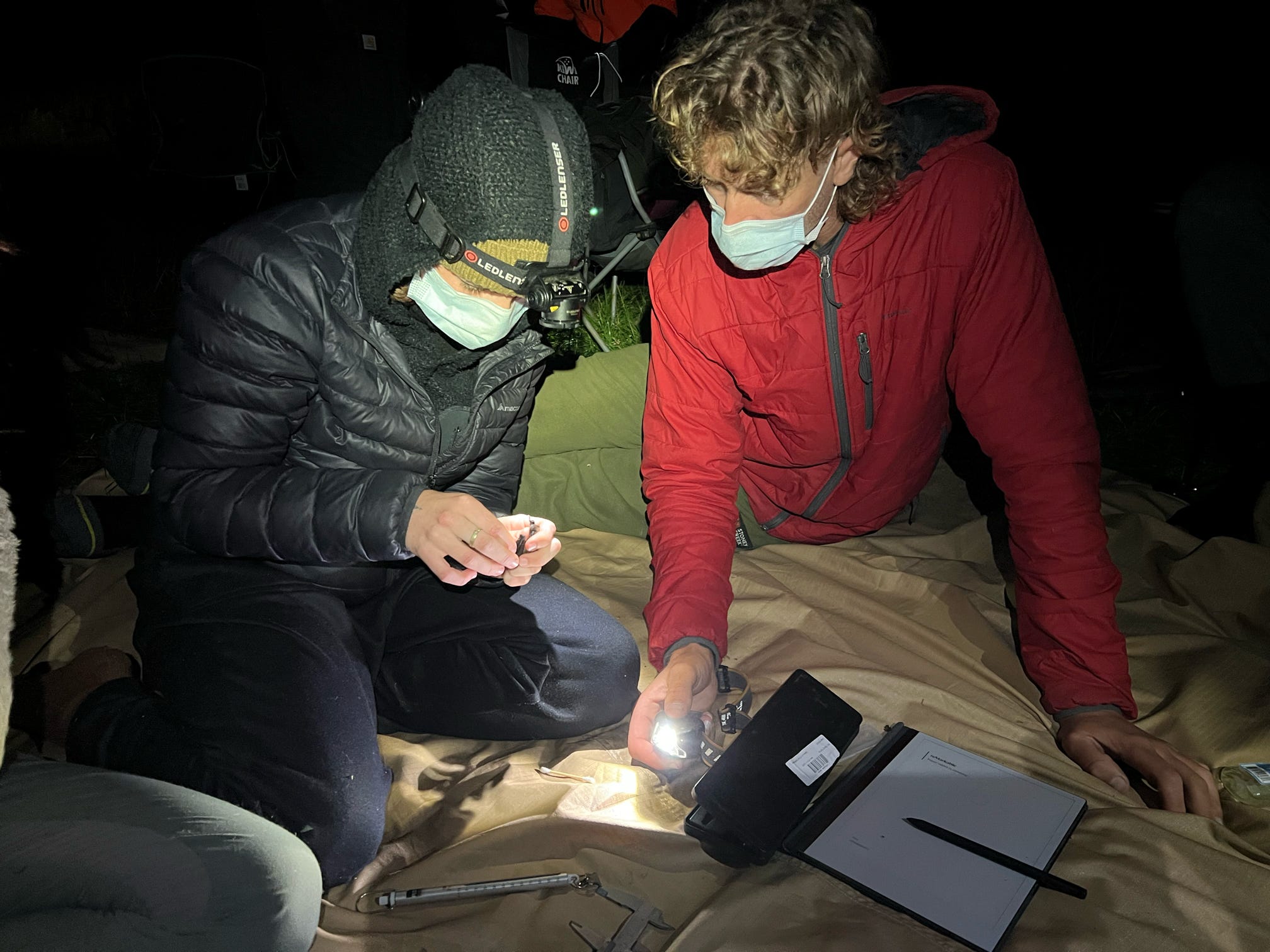
The first of its kind: public conservation funded by private training. This course focuses on capture-mark-remark radio-tracking surveys for roost identification, habitat use assessment and population monitoring. Trainees gain experience towards DOC Bat Competencies:
A collaboration with the Department of Conservation Geraldine, held once a year. It funds long-term population monitoring of the Kakahu and nearby bat populations. Trainees also gain access to the Tou-Roa Bat Cave.
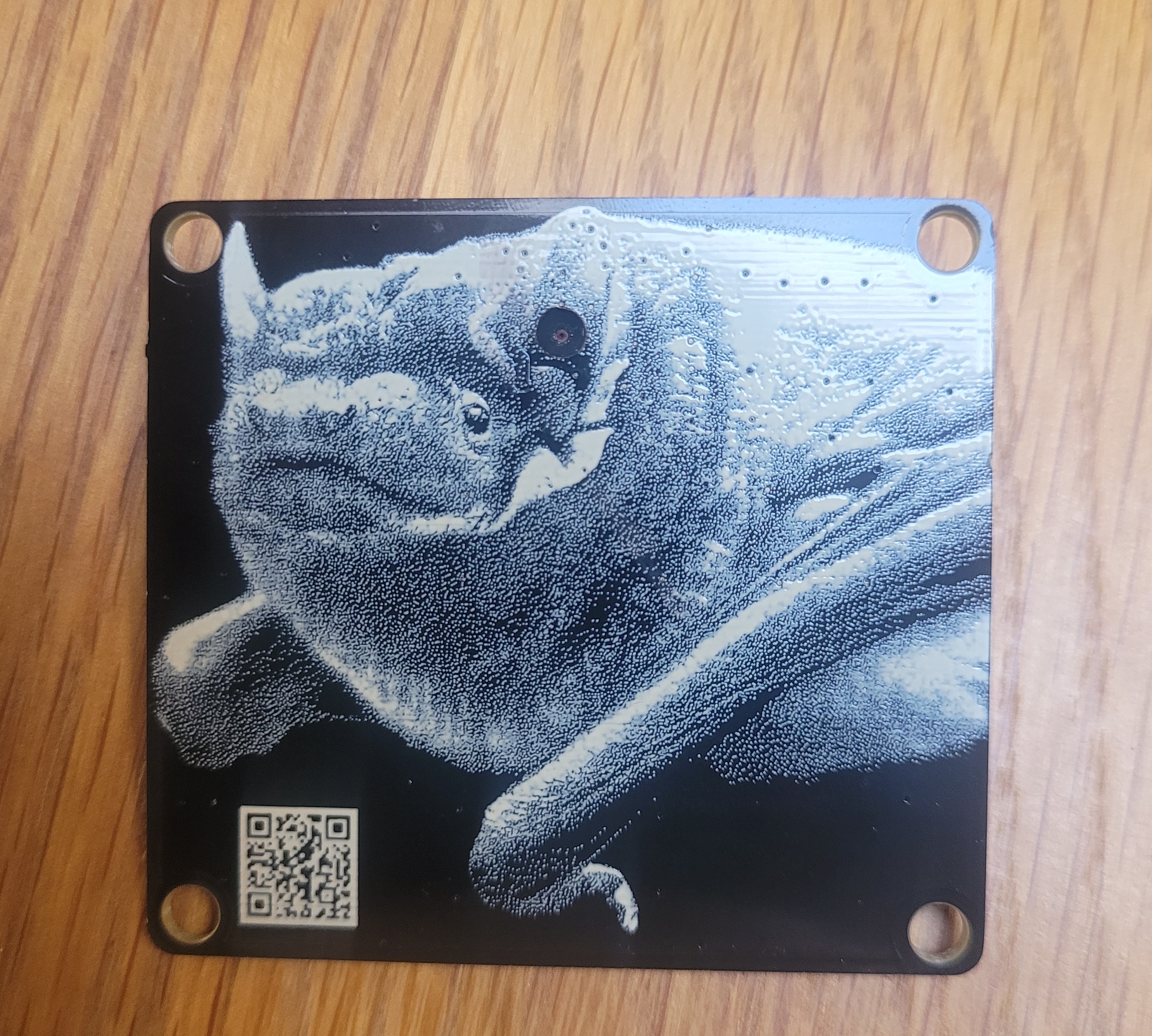
In line with our mission to make bat ecology accessible, we have been constructing and distributing Griff Mini handheld bat detectors to enthusiasts across Aotearoa and the Pacific. Designed by Phil Atkin, the Griff Mini is a cheap (ca. $30) device that turns your phone or tablet into an active handheld bat detector.
This course aims to help get you set up to build and use your own Griff Minis. We are also looking to add build-your-own passive bat recorders to this list, so watch this space.
Suitable for enthusiasts and community groups looking to do some citizen science or backyard monitoring.
Contact us to discuss your unique requirements.